

Healthy, firm, and youthful skin is something many people want. But as we grow older, our skin slowly begins to lose its firmness. You may notice fine lines, sagging, or dullness appearing over time. One of the biggest reasons behind this is the loss of skin elasticity.
Skin elasticity is what allows your skin to stretch and then return to its normal shape. When elasticity is strong, skin looks firm, smooth, and youthful. When it weakens, the skin starts to sag and develop wrinkles.
While skincare products can help externally, what you eat plays a huge role in maintaining skin elasticity. In fact, adding the right food that improves skin elasticity to your daily diet can support healthier, more resilient skin from within.
Let’s understand how diet influences skin health and which foods can help maintain that natural bounce.
What Is Skin Elasticity & Why It Matters?
Skin elasticity refers to your skin’s ability to stretch and then bounce back to its original position. This ability mainly depends on two important proteins in the skin — collagen and elastin.
Collagen provides structure and strength, while elastin helps the skin stay flexible and firm. As we age, the production of these proteins slows down. Environmental factors like sun exposure, pollution, stress, and poor nutrition can speed up this process.
When elasticity declines, the skin may appear loose, tired, or less youthful. Supporting collagen production through nutrition is one of the best ways to maintain skin elasticity naturally.
How Diet Affects Skin Elasticity
Your skin constantly regenerates itself. To do this efficiently, it needs essential nutrients like vitamins, antioxidants, healthy fats, and proteins.
A balanced diet containing foods that increase elasticity in skin helps the body repair cells, produce collagen, and fight oxidative stress. Antioxidants protect the skin from free radicals, while proteins provide the building blocks for stronger skin structure.
In simple terms, the right diet can help your skin stay firm, hydrated, and youthful for longer.
10 Foods That Improve Skin Elasticity
Here are some of the best foods to increase skin elasticity naturally.
1. Citrus Fruits
Oranges, lemons, grapefruits, and limes are rich in Vitamin C, which is essential for collagen production. Vitamin C helps strengthen the skin structure and improves firmness.
2. Avocados
Avocados are packed with healthy fats and antioxidants that help maintain skin hydration and flexibility. The natural oils in avocados support skin repair and protect against dryness.
3. Fatty Fish
Salmon, sardines, and mackerel contain Omega-3 fatty acids, which help reduce inflammation and keep the skin supple. Omega-3 also supports the skin’s natural barrier and improves elasticity.
4. Nuts and Seeds
Almonds, walnuts, flaxseeds, and chia seeds contain Vitamin E and healthy fats. These nutrients help protect the skin from oxidative damage and support collagen maintenance.
5. Berries
Strawberries, blueberries, and raspberries are rich in antioxidants. They help fight free radicals that damage collagen and accelerate skin aging.
6. Spinach and Leafy Greens
Leafy greens like spinach and kale contain vitamins A, C, and antioxidants that support skin repair and improve elasticity.
7. Tomatoes
Tomatoes are a great source of lycopene, a powerful antioxidant that helps protect the skin from sun damage and supports collagen strength.
8. Eggs
Eggs provide high-quality protein, which is essential for collagen production. They also contain amino acids that help repair skin tissue.
9. Bone Broth
Bone broth naturally contains collagen and amino acids like glycine and proline that support skin firmness.
10. Dark Chocolate
Good quality dark chocolate (with high cocoa content) contains antioxidants that improve blood circulation to the skin and support elasticity.
Adding these foods regularly to your diet can help maintain healthier, firmer skin over time.
Also Read:- Glutathione Rich Food
Nutrients That Boost Skin Elasticity
Certain nutrients play a key role in keeping the skin firm and youthful.
Vitamin C
Vitamin C is essential for collagen formation. Without it, the body cannot effectively produce new collagen fibers.
Glutathione
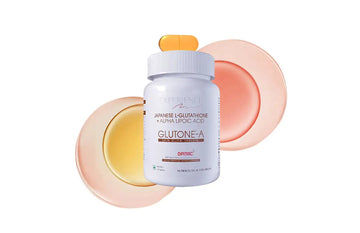
Glutathione is a powerful antioxidant that protects skin cells from oxidative stress and supports overall skin health.
Omega-3 Fatty Acids
Omega-3 helps maintain the skin’s lipid barrier, reduces inflammation, and improves hydration.
Protein
Protein provides amino acids that help build collagen and repair skin tissue.
Can Supplements Help Improve Skin Elasticity?
While a healthy diet is important, sometimes food alone may not provide enough nutrients. In such cases, supplements may help support skin health.
For example, supplements containing marine collagen, glutathione, and Vitamin C are often used to support skin elasticity. Marine collagen peptides are known for their high absorption and can help provide the building blocks needed for collagen production.
However, supplements should be used alongside a balanced diet and healthy lifestyle for the best results.
Foods That Damage Skin Elasticity
Just as some foods support skin health, others can accelerate the loss of elasticity.
Try to limit:
• Excess sugar
• Highly processed foods
• Deep-fried foods
• Excess alcohol
• Sugary drinks
These foods can increase inflammation and promote collagen breakdown, leading to premature skin aging.
FAQs
Which food increases skin elasticity the fastest?
Foods rich in Vitamin C, protein, and healthy fats, such as citrus fruits, salmon, and avocados, are among the best for supporting skin elasticity.
How long does it take to improve skin elasticity with diet?
With consistent healthy eating, improvements in skin health may begin to appear within 6–12 weeks, although results vary from person to person.
Can collagen-rich foods tighten skin?
Collagen-rich foods like bone broth can support collagen production and may help improve skin firmness over time.
Does Vitamin C improve skin firmness?
Yes. Vitamin C is essential for collagen production and plays a key role in maintaining skin structure and elasticity.
Is glutathione good for skin elasticity?
Glutathione acts as a powerful antioxidant that protects skin cells from damage and supports overall skin health, which can indirectly help maintain elasticity.


 Mon to Sat - 10 am to 7 pm