
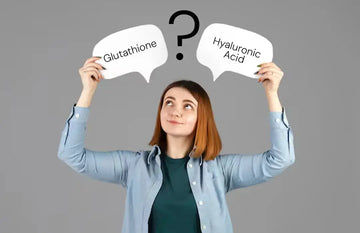
When it comes to skincare, two ingredients often come up in conversations—glutathione and hyaluronic acid. Both are powerful in their own ways, but they work very differently.
If you’re confused about glutathione vs hyaluronic acid and which one is right for your skin, this guide will help you understand the difference—and how to use them effectively.
What is Glutathione?
Glutathione is a naturally occurring antioxidant present in your body. It is often referred to as the “master antioxidant” because of its powerful ability to protect your cells.
It plays a key role in:
-
Detoxifying harmful toxins
-
Reducing oxidative stress
-
Supporting even skin tone
-
Promoting brighter, healthier-looking skin
Unlike topical ingredients, glutathione works from within. When taken as a glutathione tablet or glutathione supplement, it supports your body’s internal processes that reflect on your skin.
What is Hyaluronic Acid?
Hyaluronic acid is a hydration powerhouse found naturally in your skin.
Its main function is simple but powerful:
-
It attracts and holds moisture
-
Keeps skin plump and hydrated
-
Improves skin texture and smoothness
Think of it as a moisture magnet—it doesn’t change your skin tone but makes your skin look fresh, soft, and well-hydrated.
Glutathione vs Hyaluronic Acid (Key Differences)
Understanding the difference between glutathione hyaluronic acid can help you choose better:
|
Factor |
Glutathione |
Hyaluronic Acid |
|
Works on |
Inside the body |
On skin surface |
|
Primary benefit |
Brightening & detox |
Hydration |
|
Skin concern |
Pigmentation, dullness |
Dryness, dehydration |
|
Type |
Antioxidant |
Humectant |
In simple terms: Glutathione improves skin quality from within, while hyaluronic acid improves how your skin feels and looks externally.
Glutathione and Hyaluronic Acid – Can You Use Them Together?
Yes—and in fact, you should.
These two ingredients don’t compete—they complement each other.
-
Glutathione works internally to improve skin tone and reduce dullness
-
Hyaluronic acid hydrates the skin and improves texture
When used together, they create a balanced routine:
Glow from within + hydration on the outside
Glutathione vs Hyaluronic Acid – Which is Better for Skin?
The answer depends on your skin concern.
For Skin Brightening & Pigmentation
👉 Glutathione wins
If your goal is:
-
Even skin tone
-
Reduced pigmentation
-
Radiant glow
Glutathione works at a deeper level by supporting detox and reducing oxidative stress.
For Dry & Dehydrated Skin
👉 Hyaluronic acid wins
If your concern is:
-
Dryness
-
Flaky skin
-
Tightness
Hyaluronic acid instantly improves hydration and skin comfort.
For Anti-Aging
👉 Both (different roles)
-
Glutathione protects against oxidative damage (internal aging)
-
Hyaluronic acid keeps skin plump and reduces fine lines (external aging)
Together, they provide a more complete anti-aging approach.
How to Choose Based on Your Skin Type
Choosing between glutathione and hyaluronic acid becomes easier when you understand your skin:
-
Oily / Pigmented Skin: Focus more on glutathione
-
Dry / Dehydrated Skin: Prioritise hyaluronic acid
-
Combination Skin: Use both in balance
-
Dull Skin: Glutathione can help restore brightness
How Glutathione Works Inside the Body
Unlike most skincare ingredients, glutathione doesn’t just sit on the surface.
When you take a glutathione supplement, it:
-
Neutralises free radicals
-
Supports liver detoxification
-
Reduces oxidative stress
-
Helps improve overall skin clarity over time
This is why internal support is essential for long-term skin health.
Read More:- What is Glutathione
Best Routine: Combining Glutathione and Hyaluronic Acid
A simple routine can help you get the best of both worlds.
Morning Routine
-
Cleanse your skin
-
Apply a hyaluronic acid-based serum for hydration
-
Take your daily glutathione tablet
-
Follow with sunscreen
This helps protect and hydrate your skin throughout the day.
Night Routine
-
Cleanse thoroughly
-
Apply hydrating skincare
-
Allow your skin to recover overnight
Nighttime is when your body repairs itself—making consistency even more important.
Read More:- Best time to take Glutathione
Best Glutathione Supplement for Skin Health
When it comes to choosing a supplement, quality matters.
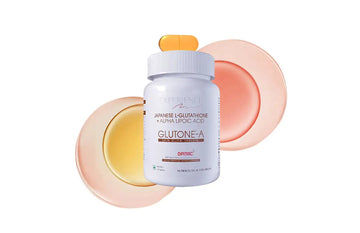
Glutone 1000 is designed to support your body’s glutathione levels effectively.
-
Helps maintain antioxidant balance
-
Supports skin clarity and even tone
-
Works from within for long-term results
It fits seamlessly into your daily routine, especially when combined with good skincare and lifestyle habits.
Conclusion
When comparing glutathione vs hyaluronic acid, it’s not about choosing one over the other—it’s about understanding their roles.
-
Glutathione = Internal support + brightening
-
Hyaluronic acid = External hydration + skin texture
The best approach? Combine both.
Because real glow isn’t just about what you apply—it’s also about what you support from within.
Stay consistent, build a routine, and let your skin reflect the care you give it.


 Mon to Sat - 10 am to 7 pm