
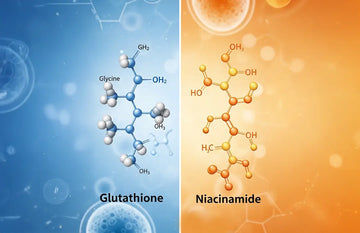
Everyone wants glowing, healthy-looking skin. From skincare routines to supplements, people are constantly searching for ingredients that can help improve skin brightness and overall texture.
Two ingredients that often come up in conversations about glowing skin are glutathione and niacinamide. Both are widely used in skincare and wellness products, and both are known for their skin-supporting benefits.
However, many people wonder which one works better. Should you choose glutathione supplements or niacinamide-based skincare? Or can they work together?
To answer these questions, it’s important to understand how each ingredient works and what role it plays in improving skin health. While both support skin radiance, they function in different ways and offer unique benefits.
Let’s take a closer look at glutathione vs niacinamide and understand which one may be better for glowing skin.
What Is Glutathione?
Glutathione is a powerful antioxidant naturally produced in the body. It plays an important role in protecting cells from oxidative stress caused by pollution, UV exposure, and toxins.
In skincare and supplements, glutathione is often associated with skin brightening and improving overall skin clarity. It works by helping reduce oxidative damage and supporting the body’s natural detoxification processes.
Some of the key skin-related benefits of glutathione include:
-
Supporting brighter-looking skin
-
Helping reduce dullness caused by oxidative stress
-
Protecting skin cells from free radical damage
-
Supporting overall skin health from within
Glutathione supplements are commonly used as part of a “inside-out” skincare approach, where nutrients support skin health internally.
Read our Blog:- What is Glutathione
What Is Niacinamide?
Niacinamide, also known as Vitamin B3, is a popular skincare ingredient used in many serums, moisturizers, and creams.
Unlike glutathione, which works internally as well as topically, niacinamide is mainly used topically in skincare formulations.
Niacinamide helps improve the appearance of the skin by supporting the skin barrier and reducing common concerns like uneven tone or enlarged pores.
Benefits of niacinamide include:
-
Improving skin texture
-
Reducing the appearance of pores
-
Supporting an even-looking skin tone
-
Helping strengthen the skin barrier
-
Supporting hydration and smoothness
Niacinamide is considered a gentle ingredient and is suitable for most skin types.
Glutathione vs Niacinamide – Key Differences
|
Feature |
Glutathione |
Niacinamide |
|
Type |
Antioxidant produced naturally in the body |
Form of Vitamin B3 |
|
Usage |
Often used as oral supplements or topical products |
Mostly used in topical skincare |
|
Main Benefit |
Supports skin brightness and antioxidant protection |
Improves skin texture and strengthens skin barrier |
|
How It Works |
Helps reduce oxidative stress and supports detoxification |
Regulates oil production and improves skin tone |
|
Best For |
Overall skin radiance and antioxidant defense |
Texture improvement and hydration support |
Both ingredients support skin health but target different aspects of skincare.
Which Is Better for Glowing Skin?
When comparing glutathione vs niacinamide, the answer depends on what you are looking for.
If your goal is to support glowing skin from within, antioxidants like glutathione may help by reducing oxidative stress and supporting overall skin health.
On the other hand, niacinamide works mainly on the surface of the skin. It improves texture, strengthens the skin barrier, and helps maintain an even-looking tone.
Many dermatologists believe the best approach to glowing skin is combining internal nutrition and external skincare.
For example, supplements containing ingredients like glutathione, Vitamin C, and antioxidants can help support skin health internally. Products such as Glutone 1000, formulated with glutathione and antioxidant support, are designed to complement skincare routines and help maintain healthy-looking skin.
At the same time, using niacinamide-based skincare products can help improve surface-level concerns like texture and oil balance.
Together, they may support a more complete approach to skin health.
Can You Use Glutathione and Niacinamide Together?
Yes, glutathione and niacinamide can be used together.
Since they work differently, they can actually complement each other.
Glutathione helps support antioxidant protection internally, while niacinamide improves the skin barrier and texture externally.
Many skincare routines combine nutritional support and topical skincare for better overall results.
For example:
-
Glutathione supplements for internal antioxidant support
-
Niacinamide serum or moisturizer for topical skin improvement
Using both together may help support healthier, more radiant-looking skin over time.
FAQs
Is glutathione better than niacinamide?
Both ingredients provide different benefits. Glutathione supports antioxidant protection and skin brightness from within, while niacinamide improves skin texture and barrier health.
Which works faster for glowing skin?
Topical ingredients like niacinamide may show visible improvements in skin texture relatively quickly, while glutathione works gradually by supporting skin health internally.
Can I take glutathione tablets daily?
Glutathione supplements are commonly taken daily as part of skincare and wellness routines. However, it is always advisable to follow recommended guidelines or consult a healthcare professional.
Can niacinamide lighten skin?
Niacinamide helps improve uneven skin tone and reduce dullness, which may contribute to a brighter-looking complexion.
Can I use both together?
Yes, glutathione and niacinamide can complement each other as they work in different ways to support skin health.





 Mon to Sat - 10 am to 7 pm