

Dry skin can be stubborn. You moisturise regularly, switch to richer creams, and even simplify your routine — yet your skin still feels tight, rough, or lacks glow. That’s when many people start wondering: Is Vitamin C actually good for dry skin, or is it making things worse?
Vitamin C is often associated with brightness and glow, but its role in dry skin is more nuanced. To understand whether it truly helps, we need to look at why dry skin happens in the first place — and how antioxidants work beneath the surface.
What Causes Dry Skin?
Dry skin is rarely just a surface problem. In most cases, it’s a sign that the skin barrier is weakened.
Common causes include:
-
Cold weather and low humidity
-
Over-cleansing or harsh products
-
Reduced natural oil (sebum) production
-
Age-related decline in ceramides
-
Oxidative stress from pollution and UV exposure
When the barrier weakens, water escapes faster from the skin, leading to tightness, flaking, rough texture, and dullness. This is why dry skin needs more than hydration — it needs barrier repair and antioxidant protection.
What Does Vitamin C Actually Do for Skin?
Vitamin C is a powerful antioxidant that plays a supportive role in skin health.
It helps by:
-
Neutralising free radicals that damage skin cells
-
Supporting collagen production
-
Improving skin texture and brightness
-
Assisting in barrier recovery by reducing oxidative stress
While Vitamin C does not hydrate the skin directly like hyaluronic acid, it helps the skin hold onto moisture better by strengthening its structure.
Is Vitamin C Good for Dry Skin?
Yes — Vitamin C is good for dry skin when used correctly.
For dry skin types, Vitamin C:
-
Supports barrier repair
-
Reduces dullness linked to dehydration
-
Improves smoothness and elasticity
-
Protects against environmental stress that worsens dryness
However, dry skin can react poorly to strong, acidic topical Vitamin C serums, especially when the barrier is already compromised. That’s why many people with dry skin do better with internal antioxidant support rather than aggressive topical actives.
Which Type of Vitamin C Is Best for Dry Skin?
Not all forms of Vitamin C are suitable for dry skin.
Better options include:
-
Stabilised or buffered Vitamin C
-
Oral Vitamin C supplements
-
Vitamin C used alongside other antioxidants
Forms to be cautious with:
-
High-percentage L-ascorbic acid serums
-
Alcohol-based formulations
-
Using Vitamin C without adequate moisturisation
This is where internal supplementation becomes especially useful for dry and sensitive skin types.
Why Vitamin C Works Better with Glutathione
Vitamin C and glutathione work best together, not alone.
-
Vitamin C helps regenerate glutathione inside the body
-
Glutathione neutralises oxidative stress that weakens the skin barrier
-
Together, they support brighter, healthier, and more resilient skin
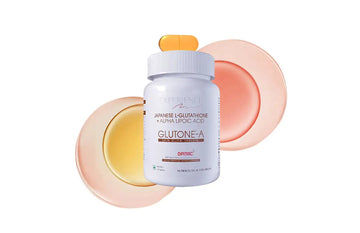
This is why pairing Glutone 1000 (glutathione tablet) with Escorz (Vitamin C) offers balanced, long-term support for dry, dull skin — rather than short-lived surface hydration.
What If You Have Extremely Dry Skin?
If your skin feels persistently flaky, rough, or uncomfortable even after moisturising and antioxidant support, dryness may be happening at a deeper level.
In extreme dry skin, the core issue is often:
-
Low ceramide levels
-
Increased transepidermal water loss
-
A weakened skin barrier that cannot retain moisture
In such cases, antioxidant support alone may not be enough — the skin also needs lipid restoration from within.
Glutone-Hydra Tablet: Advanced Support for Extreme Dry Skin
For people with very dry or winter-damaged skin, Glutone-Hydra Tablet is designed to address dryness at its root.
It contains:
-
Setria® Glutathione — to reduce oxidative stress and support skin clarity
-
Ceramosides™ — plant-derived ceramides that help rebuild the skin’s natural lipid barrier
This combination helps:
-
Strengthen the skin barrier
-
Improve moisture retention
-
Reduce flakiness and tightness
-
Restore smooth, comfortable skin over time
While Vitamin C and glutathione focus on brightness and repair, ceramides are essential when dryness is severe — making Glutone-Hydra a smart choice for advanced hydration needs.
How to Choose the Right Support for Dry Skin
-
Dry, dull skin with uneven tone:
→ Glutone 1000 + Escorz (Vitamin C) -
Very dry, flaky, or winter-damaged skin:
→ Consider Glutone-Hydra Tablet with Setria® Glutathione + Ceramosides™
Both options work from within — the key is matching the solution to the severity of dryness.
Mistakes to Avoid When Using Vitamin C on Dry Skin
-
Using high-strength acidic serums daily
-
Applying Vitamin C on dehydrated skin without moisturiser
-
Expecting Vitamin C to replace hydration
-
Ignoring internal antioxidant and barrier support
Dry skin improves with gentle consistency, not aggressive actives.
Conclusion
So, is Vitamin C good for dry skin?
Yes — when used thoughtfully and supported with the right internal nutrients.
Vitamin C strengthens the skin and supports repair, glutathione protects against oxidative stress, and in cases of extreme dryness, ceramides help rebuild the barrier itself.
By choosing the right combination — whether Glutone 1000 + Escorz or Glutone-Hydra for deeper dryness — you support your skin where it truly needs help: from within.
Because dry skin doesn’t just need moisture, it needs protection, repair, and balance.


 Mon to Sat - 10 am to 7 pm