

Summer brings sunshine, outdoor plans, vacations, and long days outside. But while we enjoy the warmth, our skin faces continuous exposure to strong ultraviolet (UV) rays. Many people underestimate how much damage the sun can cause. A little tanning or mild redness may seem harmless at first, but repeated exposure can lead to deeper skin concerns over time.
Understanding the effects of sun damage on skin is important if you want to maintain healthy, glowing skin in the long run. Let’s explore what really happens when skin is exposed to the sun and how you can tackle it effectively.
What Causes Sun Damage?
Sun damage happens mainly due to ultraviolet radiation. The sun emits two primary types of UV rays that affect our skin.
UVA vs UVB Rays
UVA rays penetrate deep into the skin and contribute to premature aging, wrinkles, and long-term damage. UVB rays affect the outer layers of the skin and are responsible for sunburn and redness.
Both types of rays play a role in causing the harmful effects of sun exposure.
Free Radical Damage
When skin is exposed to strong UV radiation, it produces unstable molecules called free radicals. These molecules attack healthy skin cells and damage them, leading to visible signs like dullness, pigmentation, and loss of glow.
Oxidative Stress
Free radical activity triggers oxidative stress in the skin. This process weakens the skin’s natural repair system and accelerates aging.
Collagen Breakdown
Collagen is the structural protein responsible for keeping skin firm and elastic. Continuous UV exposure damages collagen fibers, resulting in sagging skin, fine lines, and wrinkles.
Immediate Effects of Sun Damage on Skin
Sun damage can appear quickly, especially after prolonged exposure without protection.
Sunburn
Sunburn is one of the most common signs of excessive sun exposure. It causes redness, tenderness, and sometimes peeling.
Redness and Inflammation
UV rays can irritate the skin, leading to inflammation and sensitivity.
Tanning
Tanning occurs when the skin produces more melanin to protect itself from UV rays. While many people view tanning as cosmetic, it is actually a sign of skin damage.
Dryness
Sun exposure can strip the skin of its natural moisture barrier, leaving it dehydrated and rough.
Skin Irritation
Some people experience itching, sensitivity, or mild rashes after being exposed to harsh sunlight.
Long-Term Skin Damage from Sun
While short-term effects may fade, repeated exposure can cause deeper and more permanent damage.
Hyperpigmentation
Sun exposure triggers excess melanin production, leading to dark patches and uneven pigmentation.
Dark Spots
Age spots and sunspots develop after years of UV exposure and are difficult to treat.
Uneven Skin Tone
Continuous sun exposure can make the skin appear patchy and dull.
Premature Aging
One of the most visible long term skin damage from sun is premature aging. UV radiation accelerates wrinkle formation and reduces skin elasticity.
Fine Lines and Wrinkles
Collagen damage leads to early signs of aging such as crow’s feet and smile lines.
Loss of Elasticity
Skin gradually loses its firmness, causing sagging and dullness.
Collagen Degradation
Without sufficient collagen, skin cannot repair itself effectively after environmental stress.
Also Read:- What are some common summer Problems & Solution
How to Tackle the Effects of Sun Damage (Step-by-Step)
Repairing sun-damaged skin requires a combination of external skincare and internal support.
Step 1: Calm and Repair the Skin Barrier
Start with gentle skincare that soothes and protects the skin barrier. A mild cleanser such as Glutone Face Wash, a skin brightening face wash, helps remove impurities without stripping moisture.
Hydration is essential to help the skin recover from irritation.
Step 2: Restore Hydration
Hydrated skin heals faster. Ingredients like hyaluronic acid attract and retain moisture, helping the skin regain softness and elasticity.
Barrier-repair ingredients such as ceramides and soothing botanical extracts can also support recovery.
Step 3: Fight Oxidative Stress
Antioxidants play a key role in neutralizing free radicals.
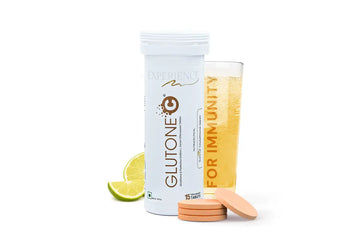
One of the most powerful antioxidants used for skin health is glutathione. A glutathione tablet such as Glutone 1000 helps support antioxidant defense and promotes brighter-looking skin from within.
Vitamin C is another essential antioxidant that protects against environmental stress.
Step 4: Boost Collagen Repair
Since UV rays break down collagen, replenishing it becomes important. Marine collagen tablets like Glutone Revive help support collagen production and improve skin elasticity.
Consistent collagen support can help improve skin texture and reduce visible signs of sun damage over time.
Step 5: Exfoliate Strategically
Gentle chemical exfoliation can help remove dead skin cells and improve uneven skin tone. However, over-exfoliation should be avoided, especially when skin is already sensitive from sun exposure.
Step 6: Daily Sun Protection
Prevention is always better than repair. Using a broad-spectrum sunscreen with SPF 30 or higher daily is essential to prevent further damage.
Even on cloudy days, UV rays can still penetrate the skin.
Can Sun Damage Be Reversed?
Some signs of sun damage can improve with consistent care, but deep damage may take time to repair. Early intervention and a proper skincare routine can significantly improve skin health and appearance.
Internal Care for Skin Recovery
Healthy skin recovery also depends on internal support.
Antioxidant Supplements
Antioxidants help neutralize free radicals caused by UV exposure.
Collagen Supplementation
Collagen supplements support skin repair and improve elasticity.
Hydration
Drinking enough water helps maintain skin hydration and supports natural repair mechanisms.
Balanced Nutrition
A diet rich in fruits, vegetables, and healthy fats supports overall skin health.
Recommended Glutone Products for Sun Damage Recovery
If you are looking for a simple routine to support skin recovery after sun exposure, these products can help:
Glutone 1000 – A glutathione tablet designed to support antioxidant protection and promote brighter-looking skin.
Glutone Face Wash – A skin brightening face wash that gently cleanses while helping maintain skin freshness.
Glutone Revive – A marine collagen table that supports collagen levels and helps improve skin elasticity.
FAQs
What are the harmful effects of sun exposure?
The harmful effects of sun exposure include sunburn, tanning, dryness, hyperpigmentation, premature aging, wrinkles, and uneven skin tone.
Is long term skin damage from sun reversible?
Some forms of long term skin damage from sun can improve with consistent skincare, antioxidants, and collagen support, although deep damage may take longer to repair.
How can I repair sun damaged skin naturally?
Hydration, antioxidants, gentle skincare, and collagen support can help improve skin health and promote recovery.
Does collagen help repair sun damage?
Yes, collagen supports skin structure and elasticity, helping reduce visible signs of aging caused by sun exposure.
How long does it take to see improvement?
With consistent care and protection, visible improvements in skin texture and tone can often be seen within a few weeks to a few months.



 Mon to Sat - 10 am to 7 pm