

Search the internet and you’ll see this question everywhere: Can Vitamin C tablets lighten skin?
Some believe Vitamin C can change skin colour, while others swear by it for glow. The truth sits somewhere in between, and understanding that difference is important if you want real results without unrealistic expectations.
This blog breaks down what Vitamin C actually does for your skin, what “skin lightening” really means, and how Vitamin C tablets like Escor Z fit into a healthy, long-term skincare routine.
What Does “Skin Lightening” Really Mean?
Before answering whether Vitamin C tablets lighten skin, we need to clarify one thing: Skin lightening is often confused with skin brightening.
Here’s the difference:
-
Skin lightening: Changing your natural skin colour
-
Skin brightening: Improving clarity, glow, and radiance
-
Pigmentation reduction: Fading dark spots, tanning, or uneven patches
Vitamin C does not change your natural skin colour. What it does is help your skin look clearer, more even, and healthier — which many people mistakenly describe as “lightening.”
What Is Vitamin C and How Does It Work for Skin?
Vitamin C is a powerful antioxidant that plays a key role in skin health. Since the body can’t produce it on its own, it must come from food or supplements.
For the skin, Vitamin C:
-
Neutralises free radicals caused by pollution and UV exposure
-
Supports collagen production for firmness and smoothness
-
Protects skin cells from oxidative damage
-
Helps regulate excess melanin formation
This is why Vitamin C is widely used in both topical skincare and oral supplements
Can Vitamin C Tablets Lighten Skin?
Let’s answer this clearly.
Vitamin C tablets do not lighten your natural skin colour.
What they do help with is:
-
Brightening dull skin
-
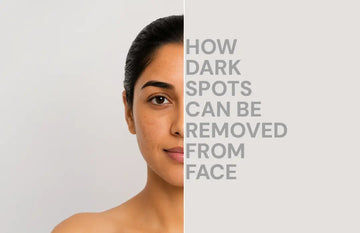
Reducing pigmentation and dark spots
-
Improving overall skin tone uniformity
So, if your skin looks brighter and more even after taking Vitamin C, it’s because damage and pigmentation have reduced — not because your skin colour has changed.
What Causes Skin Dullness and Pigmentation?
UV Exposure
Excessive sun exposure is one of the leading causes of skin darkening. Ultraviolet (UV) rays stimulate melanin production as a natural defense mechanism, which can lead to tanning, dark spots, and uneven skin tone over time.
Pollution
Daily exposure to environmental pollutants can generate free radicals that damage skin cells and contribute to dullness, pigmentation, and premature signs of aging. Pollution-related oxidative stress may also affect overall skin clarity.
Acne Marks
After acne heals, some people develop post-inflammatory hyperpigmentation, commonly known as acne marks. These dark spots can linger for weeks or months and contribute to an uneven complexion.
Inflammation
Skin inflammation caused by acne, irritation, allergies, or certain skin conditions can trigger excess melanin production. This may result in dark patches or discoloration after the inflammation subsides.
Oxidative Stress
Oxidative stress occurs when free radicals outnumber the body's natural antioxidants. Factors such as pollution, stress, poor diet, and UV exposure can increase oxidative stress, potentially affecting skin radiance and overall skin health.
Tanning
Tanning occurs when the skin produces more melanin in response to sun exposure. While it is a natural protective mechanism, repeated tanning can lead to uneven skin tone and persistent pigmentation concerns.
Lack of Sleep
Sleep plays an important role in skin repair and recovery. Inadequate sleep may contribute to dull-looking skin, increased oxidative stress, and a tired complexion, making the skin appear less radiant over time.
How Vitamin C Helps Improve Skin Tone
When taken consistently, Vitamin C tablets support skin tone in several ways:
1. Reduces Excess Melanin Formation
Vitamin C helps regulate melanin production, preventing unnecessary pigment buildup caused by sun exposure or oxidative stress.
2. Fades Dark Spots & Pigmentation
Over time, Vitamin C supports the skin’s natural repair cycle, helping fade tanning, acne marks, and uneven patches.
3. Improves Dullness
By reducing oxidative damage, Vitamin C restores freshness and clarity to tired-looking skin.
4. Enhances Overall Radiance
Healthy collagen levels and reduced inflammation reflect smoother, glowing skin.
This is why Vitamin C is often described as a “glow vitamin,” not a fairness agent.
Vitamin C Tablets vs Topical Vitamin C – Which Is Better?
Both forms serve different purposes, and one isn’t necessarily better than the other.
|
Factor |
Vitamin C Tablets |
Vitamin C Serum |
|
Works from inside |
✅ |
❌ |
|
Targets pigmentation |
Moderate |
Strong |
|
Overall skin health |
High |
Moderate |
|
Best for |
Long-term glow |
Spot correction |
Vitamin C tablets work systemically, improving overall skin health and tone gradually. Topical Vitamin C works faster on surface pigmentation but doesn’t support internal antioxidant balance.
For best results, many people combine both approaches.
How Long Do Vitamin C Tablets Take to Show Skin Results?
Vitamin C tablets don’t work overnight — and that’s a good thing. Real skin change takes time.
-
Glow & freshness: 3–4 weeks
-
Pigmentation improvement: 6–8 weeks
-
Overall tone balance: 8–12 weeks
Consistency matters far more than taking high doses for short periods.
Best Way to Take Vitamin C Tablets for Skin Benefits
To get the most out of Vitamin C tablets:
-
Recommended dosage: 500–1000 mg per day for adults
-
Best time: Morning, preferably with or after breakfast
-
With or without food: Take with food if you have a sensitive stomach
-
Pairing: Works well with glutathione or collagen for enhanced skin results
A reliable formulation like Escor Z Tablet makes daily intake easy and consistent.
Are Vitamin C Tablets Safe for Daily Use on Skin?
Yes. Vitamin C is safe for daily use when taken within recommended limits.
Because it’s water-soluble, excess amounts are usually excreted by the body.
Avoid mega doses, and focus on:
-
Correct dosage
-
Daily consistency
-
Overall diet and hydration
Vitamin C supports skin health best when used as part of a balanced routine — not as a quick fix.
Conclusion
So, can Vitamin C tablets lighten skin?
No — they don’t change your natural skin colour.
But they absolutely help brighten skin, reduce pigmentation, and improve overall tone, which is what most people actually want.
When used consistently, a good Vitamin C tablet for skin like Escor Z supports clearer, healthier-looking skin from within — especially when combined with sunscreen, hydration, and a sensible skincare routine.
Healthy glow isn’t about becoming lighter. It’s about becoming more even, radiant, and confident in your own skin.
Frequently Asked Questions
Can Vitamin C Tablets Make Skin Fair?
Vitamin C tablets do not change your natural skin tone or make the skin permanently fair. However, Vitamin C is widely used to support brighter-looking skin by helping reduce oxidative stress and supporting a more even-looking complexion. It may help improve overall skin radiance when combined with a healthy lifestyle and proper sun protection.
Do Vitamin C Tablets Reduce Pigmentation?
Vitamin C is commonly used in skincare and wellness routines to support a more even-looking skin tone. Its antioxidant properties may help reduce the appearance of pigmentation caused by environmental stressors, sun exposure, and post-inflammatory marks over time. Results can vary depending on individual skin concerns and consistency of use.
How Long Does Vitamin C Take to Brighten Skin?
The timeline varies from person to person based on factors such as dosage, lifestyle, skincare routine, and sun exposure. Many people may notice improvements in overall skin radiance within 4–8 weeks of consistent use, while more noticeable changes in skin tone and pigmentation may take longer.
Is Vitamin C Safe for Daily Use?
Yes, Vitamin C is an essential nutrient and is commonly taken daily as part of a balanced diet and wellness routine. It plays an important role in antioxidant defense, collagen formation, and immune function. Always follow the recommended dosage mentioned on the product label or advised by a healthcare professional.
Can I Take Vitamin C With Glutathione?
Yes, Vitamin C and glutathione are often taken together. Vitamin C helps maintain glutathione in its active form and supports the body's antioxidant defense system. This combination is commonly used in skin wellness and antioxidant support routines.
What Is the Best Time to Take Vitamin C Tablets?
Vitamin C tablets can be taken at any time of the day. Many people prefer taking them in the morning as part of their daily wellness routine. They may be taken with or without food, depending on individual preference and digestive comfort. Consistency is generally more important than the specific timing.


 Mon to Sat - 10 am to 7 pm