
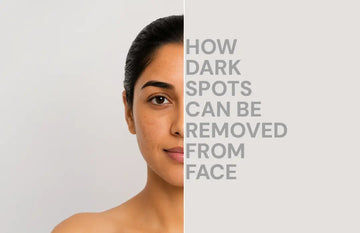
Understanding Dark Spots and How to Achieve More Even-Looking Skin
Dark spots are one of the most common skin concerns affecting people of all ages and skin types. Whether caused by sun exposure, acne marks, aging, or hormonal changes, these areas of increased pigmentation can make the skin appear uneven and less radiant.
The good news is that while dark spots often take time to fade, a combination of proper skincare, sun protection, healthy lifestyle habits, and antioxidant support can help improve overall skin appearance and support a brighter-looking complexion.
At Glutone, we believe that healthy-looking skin starts with consistency and a holistic approach to skincare and wellness.
Quick Answer
Dark spots on the face can be reduced by protecting the skin from sun exposure, using ingredients that support a more even-looking complexion, following a consistent skincare routine, and maintaining healthy lifestyle habits. Daily sunscreen use, antioxidant support, hydration, and targeted skincare ingredients such as Vitamin C, Niacinamide, Alpha Arbutin, and Retinoids may help improve the appearance of uneven skin tone over time.
What Causes Dark Spots on the Face?
Dark spots occur when certain areas of the skin produce more melanin, the pigment responsible for skin color. Several factors can contribute to this process.
Sun Exposure
One of the most common causes of dark spots is prolonged exposure to ultraviolet (UV) radiation.
When skin is exposed to sunlight, melanin production increases as a natural protective response. Over time, this may contribute to visible pigmentation and uneven skin tone.
Acne Marks (Post-Inflammatory Hyperpigmentation)
After a breakout heals, the skin may leave behind dark marks known as post-inflammatory hyperpigmentation (PIH).
These spots can be especially common in individuals with acne-prone skin.
Hormonal Changes
Hormonal fluctuations may contribute to pigmentation concerns such as melasma, which often appears as darker patches on the face.
Aging
Many people searching "how can I get rid of age spots" are experiencing pigmentation changes associated with aging and cumulative sun exposure.
Age spots typically appear on areas that receive frequent sun exposure over the years.
Skin Irritation and Inflammation
Skin injuries, aggressive skincare treatments, excessive exfoliation, or irritation can sometimes trigger pigmentation responses in the skin.
How to Reduce Dark Spots
Reducing the appearance of dark spots requires patience and consistency. While results vary from person to person, several strategies can help support a more even-looking complexion.
Use Sunscreen Daily
Protects Skin from Further Pigmentation
Daily sunscreen use is one of the most important steps for managing pigmentation concerns.
UV exposure can worsen existing dark spots and contribute to the formation of new ones.
Choose a broad-spectrum sunscreen with SPF 30 or higher and reapply as needed throughout the day.
Add Brightening Ingredients
Certain skincare ingredients are commonly used to support a brighter-looking complexion.
Vitamin C
Vitamin C is a powerful antioxidant that helps support skin brightness and protects against environmental stressors.
Niacinamide
Niacinamide helps support skin barrier function and contributes to a more even-looking skin tone.
Alpha Arbutin
Alpha Arbutin is commonly used in skincare formulations designed to support skin clarity and radiance.
Retinoids
Retinoids help support skin renewal and are frequently recommended as part of pigmentation-focused skincare routines.
Follow a Consistent Skincare Routine
Consistency is essential when addressing uneven skin tone.
A simple routine should include:
Cleanse
Remove dirt, oil, sunscreen, and impurities.
Treat
Apply targeted products containing brightening and antioxidant ingredients.
Moisturize
Support the skin barrier and maintain hydration.
Protect
Apply sunscreen every morning.
Support Skin Health from Within
Skin health is influenced by more than topical skincare alone.
Stay Hydrated
Proper hydration supports healthy skin function and overall wellness.
Eat Antioxidant-Rich Foods
Foods rich in antioxidants help support the body's natural defense against oxidative stress.
Include:
-
Citrus fruits
-
Berries
-
Leafy greens
-
Nuts and seeds
-
Colorful vegetables
Get Enough Sleep
Sleep plays an important role in skin recovery and repair.
Consider Antioxidant Support
Oxidative stress is one of the factors that can affect overall skin appearance.
Products such as Glutone-A, a skin glowing tablet, combine Japanese OPITAC® L-Glutathione with Alpha Lipoic Acid to provide antioxidant support and help maintain healthy-looking skin from within.
For individuals looking for a skin glowing tablet, antioxidant support may complement a well-rounded skincare routine and healthy lifestyle.
Tips to Prevent New Dark Spots
Preventing future pigmentation is often easier than treating existing spots.
Avoid Picking Pimples
Picking or squeezing blemishes can increase the risk of post-inflammatory marks.
Reapply Sunscreen Regularly
Consistent sun protection is essential for maintaining an even-looking complexion.
Limit Excessive Sun Exposure
Seek shade and wear protective clothing whenever possible.
Use Gentle Skincare Products
Avoid over-exfoliating or using products that cause irritation.
Supporting the skin barrier can help reduce unnecessary inflammation.
When Should You Consult a Dermatologist?
Consider seeking professional advice if:
-
Dark spots continue to worsen
-
Pigmentation appears suddenly
-
Over-the-counter products are not helping
-
You experience persistent skin irritation
-
You have concerns about melasma or age spots
A dermatologist can help identify the underlying cause and recommend personalized treatment options.
Conclusion
If you're wondering how dark spots can be removed from face, the key lies in consistency, sun protection, and a balanced skincare routine.
Daily sunscreen use, brightening ingredients, healthy lifestyle habits, and antioxidant support can all contribute to healthier-looking, more radiant skin over time.
At Glutone, we believe that supporting skin from both the inside and outside can help promote long-term skin wellness. Products such as Glutone-A, formulated with OPITAC® L-Glutathione and Alpha Lipoic Acid, are designed to support antioxidant protection and healthy-looking skin as part of a comprehensive skincare approach.
Frequently Asked Questions
What causes dark spots on the face?
Common causes include sun exposure, acne marks, hormonal changes, aging, and skin inflammation.
Can dark spots be removed permanently?
Results vary depending on the cause and severity of pigmentation. Consistent skincare and sun protection can help improve their appearance over time.
Which ingredient works best for dark spots?
Vitamin C, Niacinamide, Alpha Arbutin, Retinoids, and antioxidant-supporting ingredients are commonly used for pigmentation-focused skincare routines.
How long does it take for dark spots to fade?
The timeline varies depending on the type and depth of pigmentation, as well as individual skin characteristics.
Does sunscreen help reduce pigmentation?
Yes. Sunscreen helps prevent existing dark spots from becoming darker and helps reduce the risk of new pigmentation.
When should I consult a dermatologist for dark spots?
Consult a dermatologist if pigmentation worsens, persists despite treatment, appears suddenly, or is accompanied by other skin concerns.


 Mon to Sat - 10 am to 7 pm