

When it comes to achieving brighter, healthier-looking skin, two ingredients are often part of the conversation: glutathione and glycolic acid.
But if you’re confused between the two, you’re not alone.
So, in the debate of glutathione vs glycolic acid, which one is actually better for skin?
The short answer is: both work differently and offer unique skin benefits. Glutathione mainly supports skin health from within through antioxidant activity, while glycolic acid works on the skin surface by exfoliating dead skin cells.
Choosing the right one depends on your skin concern, skin type, and skincare goals.
Let’s understand the difference in detail.
What is Glutathione?
Glutathione is a naturally occurring antioxidant present in the body. It is made using three amino acids glutamine, glycine, and cysteine.
Often known as the “master antioxidant,” glutathione helps protect cells against oxidative stress caused by:
-
Pollution
-
UV exposure
-
Stress
-
Lack of sleep
-
Environmental toxins
Because oxidative stress can affect overall skin appearance, glutathione supplements have become popular for supporting skin radiance and healthy-looking skin.
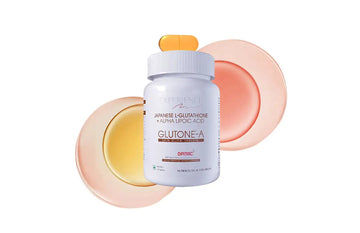
Products like Glutone 1000 are designed to provide glutathione supplements as part of a daily wellness and skincare routine.
What is Glycolic Acid?
Glycolic acid is an alpha hydroxy acid (AHA) commonly used in skincare products.
It is mainly known for its exfoliating properties. Glycolic acid works by helping remove dead skin cells from the skin surface, which may help improve texture and brightness.
You’ll often find glycolic acid in:
-
Serums
-
Toners
-
Peels
-
Face washes
-
Exfoliating creams
Since glycolic acid focuses on surface exfoliation, it is commonly used for acne marks, dullness, and uneven texture.
Glutathione vs Glycolic Acid: Key Differences
|
Feature |
Glutathione |
Glycolic Acid |
|
Type |
Antioxidant |
Exfoliating Acid (AHA) |
|
Works From |
Inside the body |
Skin surface |
|
Main Function |
Reduces oxidative stress |
Removes dead skin cells |
|
Common Formats |
Glutathione tablet, glutathione supplements |
Serums, toners, peels |
|
Best For |
Skin radiance, antioxidant support |
Texture, acne marks, exfoliation |
|
Suitable For |
Most skin types |
May irritate sensitive skin |
|
Usage |
Daily wellness support |
Limited frequency depending on skin tolerance |
Benefits of Glutathione for Skin
Skin Radiance
Glutathione is widely used for supporting brighter-looking and healthier-looking skin. Consistent use of glutathione supplements may help improve overall skin freshness and glow.
Reduction in Oxidative Stress
One of the biggest benefits of glutathione is its antioxidant activity. It helps neutralize free radicals caused by pollution, UV exposure, and stress, which can affect skin appearance over time.
Helps Uneven Skin Tone
Research suggests glutathione may help influence melanin pathways, which is why it is commonly associated with improving the appearance of uneven-looking skin.
Supports Overall Skin Health
Unlike surface-focused skincare ingredients, glutathione works internally to support overall skin wellness.
Products like Glutone 1000 fit easily into everyday routines for long-term skin support.
Benefits of Glycolic Acid for Skin
Exfoliation
Glycolic acid helps remove dead skin buildup from the skin surface, which may help reveal fresher-looking skin.
Acne Mark Reduction
Regular exfoliation may help improve the appearance of post-acne marks and uneven texture over time.
Smoother Texture
By encouraging skin renewal, glycolic acid may help skin feel smoother and softer.
Brighter Complexion
Removing dull surface cells can help improve overall skin brightness temporarily.
Better Product Absorption
Exfoliation may help other skincare products absorb more effectively into the skin.
Which is Better for Different Skin Concerns?
For Pigmentation
Both ingredients may help differently.
-
Glutathione supports skin from within through antioxidant pathways.
-
Glycolic acid helps exfoliate pigmented surface cells.
For stubborn pigmentation concerns, many people combine internal antioxidant support with topical skincare.
For Acne Marks
Glycolic acid is usually preferred for acne marks because of its exfoliating action.
For Sensitive Skin
Glutathione supplements are generally considered gentler compared to strong exfoliating acids.
Glycolic acid may sometimes cause irritation, especially if overused.
For Dull Skin
Both can help:
-
Glutathione supports radiance internally
-
Glycolic acid improves surface brightness through exfoliation
For Anti-Aging
Glutathione helps fight oxidative stress linked with visible aging, while glycolic acid helps improve texture and skin renewal.
For Skin Brightening
If your goal is long-term skin wellness and antioxidant support, glutathione supplements may be a better addition.
If you want instant smoothness and exfoliation, glycolic acid may provide quicker visible surface results.
Can You Use Glutathione and Glycolic Acid Together?
Yes, many people use both together as part of a balanced skincare routine.
For example:
-
Glutathione tablets or glutathione supplements can support skin health internally.
-
Glycolic acid products can help exfoliate the skin surface.
However, it’s important not to over-exfoliate when using glycolic acid.
Always:
-
Start slowly
-
Use sunscreen daily
-
Keep skin hydrated
-
Avoid excessive layering of strong acids
How to Choose the Right Ingredient for Your Skin Type
Choose glutathione if your focus is:
-
Overall skin wellness
-
Antioxidant support
-
Dull-looking skin
-
Healthy skin maintenance
-
Long-term skin radiance
Choose glycolic acid if your focus is:
-
Rough texture
-
Acne marks
-
Surface dullness
-
Exfoliation
-
Skin smoothness
Some people benefit from combining both in a balanced routine.
Expert Tips for Better Skin Results
-
Wear sunscreen daily
-
Stay hydrated
-
Avoid over-exfoliation
-
Maintain consistency
-
Get proper sleep
-
Eat antioxidant-rich foods
-
Follow a simple skincare routine
Healthy skin is usually built through consistent habits rather than overnight solutions.
Conclusion
In the comparison of glutathione vs glycolic acid, there is no single “better” ingredient — it depends on your skin goals.
Glutathione focuses more on antioxidant support and overall skin wellness from within, while glycolic acid works externally to exfoliate and improve texture.
If your goal is long-term skin radiance and antioxidant support, glutathione supplements like Glutone 1000 may fit well into your routine.
If your concern is rough texture or acne marks, glycolic acid may help improve surface-level skin appearance.
Many skincare routines today combine both approaches for more balanced results.
FAQs
Is glutathione better than glycolic acid for skin whitening?
Both work differently. Glutathione supports antioxidant activity internally, while glycolic acid exfoliates surface skin cells. Results vary depending on skin type and consistency.
Can glycolic acid remove pigmentation?
Glycolic acid may help improve the appearance of superficial pigmentation through exfoliation over time.
Can I use glutathione tablets with glycolic acid serum?
Yes, many people combine glutathione supplements with topical glycolic acid products as part of a skincare routine.
Which works faster for glowing skin?
Glycolic acid may provide faster visible surface brightness, while glutathione focuses more on long-term antioxidant support.
Is glycolic acid safe for sensitive skin?
Sensitive skin types should use glycolic acid carefully and start with lower concentrations to avoid irritation.
Does glutathione permanently lighten skin?
Results from glutathione vary from person to person and depend on consistency, lifestyle, and skincare habits.
Can men use glutathione and glycolic acid?
Yes, both glutathione and glycolic acid can be used by men and women depending on their skin concerns and goals.


 Mon to Sat - 10 am to 7 pm