

Summer gives us bright days and more time outdoors. But too much sun exposure can slowly damage the skin. Even if you use sunscreen, long hours in strong sunlight can still affect your skin. After summer, many people notice changes like tanning, dark spots, dryness, and dull skin. This happens because ultraviolet (UV) rays damage the skin layer by layer. The damage builds up over time.
Let’s understand what really happens and how you can repair your skin step by step.
What Happens to Your Skin During Sun Damage?
1. UV Rays (UVA & UVB)
The sun releases two types of harmful rays:
-
UVA rays go deep into the skin and damage collagen.
-
UVB rays affect the top layer and cause sunburn and tanning.
Both types can harm your skin if you stay in the sun for too long.
2. Collagen Breakdown
Collagen keeps your skin firm and smooth. Too much sun exposure reduces collagen levels. This can lead to lose skin, fine lines, and rough texture.
3. Increase in Pigmentation
When your skin is exposed to sunlight, it produces more melanin (skin pigment) to protect itself. Too much melanin causes:
-
Dark spots
-
Uneven skin tone
-
Stubborn tanning
4. Oxidative Stress
Sun exposure creates free radicals in the body. These damage skin cells and make skin look tired and dull. This is where antioxidants like a Glutathione tablet can help support skin repair from inside.
Signs Your Skin is Sun Damaged
You may notice:
-
Excessive tanning
-
Dark patches
-
Uneven skin tone
-
Dry, flaky skin
-
Fine lines
-
Rough texture
If you see these signs, your skin needs extra care.
How to Recover Skin from Sun Damage
1. Calm and Soothe Your Skin
Start with gentle skincare. Avoid harsh scrubs or strong products. Use a mild Skin Brightening face wash that cleans your skin without drying it further.
For example, a gentle cleanser like Glutone Face Wash helps remove dirt and pollution while keeping skin soft and fresh.
2. Deep Hydration is Important
Sun exposure removes moisture from the skin. Drink enough water daily. Use a good moisturizer to repair dryness.
Hydrated skin heals faster and looks healthier.
3. Repair with Antioxidants
Antioxidants help fight free radical damage caused by UV rays.
Two powerful antioxidants are:
-
Glutathione
-
Vitamin C
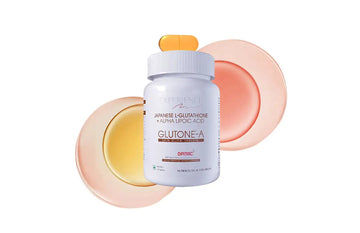
Taking a Glutathione tablet can help reduce pigmentation and support brighter-looking skin over time. Products like Glutone 1000 are commonly used as part of a skin brightening routine to support even skin tone from within.
4. Boost Collagen Production
Since sun exposure breaks down collagen, supporting collagen levels is important.
A Marine Collagen Tablet can help improve skin firmness and elasticity. It supports smoother and healthier-looking skin over time.
For example, Glutone Revive – Marine Collagen Tablet is designed to support collagen levels and overall skin health.
5. Gentle Exfoliation
Exfoliating once or twice a week helps remove dead skin cells caused by tanning. This improves skin texture and allows skincare products to work better.
Do not over-exfoliate, as damaged skin can become more sensitive.
6. Never Skip Sunscreen
Even during recovery, sunscreen is a must. Apply sunscreen every day, even when indoors. This prevents further damage and protects your progress.
Best Ingredients for Sun Damage Recovery
When choosing products, look for:
-
Glutathione
-
Vitamin C
-
Marine Collagen
-
Hyaluronic Acid
-
Aloe Vera
These ingredients help in hydration, repair, and skin brightening.
How Long Does It Take to Recover?
Mild tanning may fade in 2 to 4 weeks.
Dark spots and deeper pigmentation may take 6 to 8 weeks or longer. Skin recovery depends on:
-
How much sun exposure you had
-
Your skincare routine
-
Your consistency
Regular care gives better results.
A Simple Recovery Routine Example
· Cleanse with a skin-brightening face wash (e.g., Glutone Face Wash)
· Take Glutathione tablet in the morning (as advised)
· Apply moisturizer
· Use sunscreen during the day
· Take Marine Collagen tablet for skin support
· Cleanse again at night
· Apply night cream
This simple routine can help your skin slowly recover and look healthier.
Conclusion
Sun damage is common, especially in summer. But with the right care, your skin can improve. Focus on hydration, antioxidants, and collagen support.
Using products like Glutone 1000, Glutone Face Wash, and Glutone Revive as part of a balanced skincare routine can help support brighter, smoother, and healthier-looking skin over time.
Consistency and protection are the key to long-term skin health.
FAQs
Can sun-damaged skin be reversed?
Mild sun damage can improve with proper skincare and protection. Deep damage takes more time but can also show improvement with regular care.
How long does it take to recover from sun damage?
Light tanning may fade in a few weeks. Dark spots may take 1 to 2 months or more.
Does glutathione help with sun damage?
Glutathione supports skin brightening and helps reduce pigmentation caused by sun exposure.
Can collagen repair sun damaged skin?
Collagen supports skin firmness and elasticity, which may reduce signs of sun damage over time.
What is the fastest way to remove sun tan?
The best way is to:
-
Protect your skin from further sun exposure
-
Use sunscreen daily
-
Stay hydrated
-
Support your skin with antioxidants like glutathione and collagen


 Mon to Sat - 10 am to 7 pm